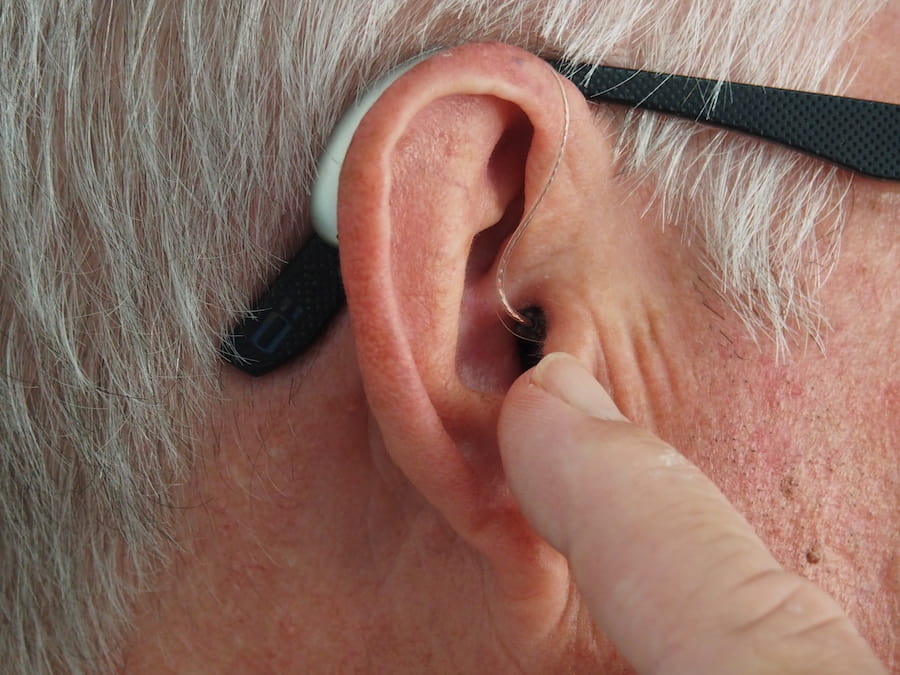
Sound is an essential element when connecting to the world around you. If you are dealing with hearing loss, consider getting a hearing aid expert. Searching for the right hearing aid expert becomes crucial for the best auditory experience. However, there are millions of providers you will get in the market. For this reason, the journey to finding the best Hearing Aid Provider involves understanding the technology, expertise, and personalized care. When hiring these experts, look at these essential aspects to consider.
1. Understanding Your Hearing Needs
Before getting a hearing aid expert, it is crucial to understand your hearing needs. Consider the environments in which you find communication challenging. You might discover hearing problems in a noisy restaurant, bustling city streets, or quiet family gatherings. Take note of specific situations where clarity is compromised. This will be a direction when discussing your concerns with hearing aid experts.
2. Researching Credentials
Not all hearing aid experts can offer the best services, and the hearing healthcare professionals circle encompasses various specialties. Audiologists, hearing aid specialists, and otolaryngologists each provide different services. Audiologists hold advanced degrees in audiology and specialize in diagnosing and treating hearing disorders. Hearing aid specialists focus specifically on the fitting and maintenance of hearing aids. Otolaryngologists can provide a more comprehensive medical perspective. Researching the credentials and specializations of potential experts will help you make decisions based on your specific needs.
3. Seeking Recommendations
Word of mouth can be the best tool to search for the best expert. Seek recommendations from friends, family, or colleagues who have worked with hearing healthcare professionals. Online reviews and testimonials can tell more about the experiences of other individuals with hearing loss. Look at the factors such as expertise, communication, and aftercare services. A reputable hearing aid expert should have a good record of satisfied clients who have benefited from their services.
4. Evaluating Technological
Competence
Hearing aid technology is constantly evolving, offering innovative solutions to address various types of hearing loss. When selecting a hearing aid expert, it is essential to assess their technological competence. Inquire about their familiarity with the latest advancements in hearing aid technology and their ability to match these approaches to your needs. A good expert should guide you through the selection process. They should also explain the features and benefits of various devices.
5. Communication Skills
Effective communication and patient-centered care are vital when it comes to hearing healthcare. The best hearing aid experts prioritize building a strong rapport with their patients. They will take the time to understand your challenges and goals. Assess the communication skills of experts during your initial consultations. A hearing aid expert will address your questions, explain complex concepts in accessible language, and involve you in decision-making.
Note that the services you will get don’t end with the selection and fitting of a hearing aid. Aftercare services and follow-up appointments are integral to a good hearing healthcare plan. Inquire about the aftercare services offered by potential hearing aid experts, including adjustments and maintenance. A reliable Hearing Aid Provider should be committed to your long-term hearing health, providing ongoing support. This will ensure that your hearing aids continue to meet your evolving needs.
Read Also
- Top Trends Shaping the Future of Mental Health Care
 Mental health care is moving fast to meet daily human needs. People want direct care that fits modern life. Clinics respond by creating flexible options that make healing easier to reach. Providers look past rigid habits to give people solid care. From smart tools to body wellness, these changes help people find relief when life… Read more: Top Trends Shaping the Future of Mental Health Care
 - Full-Arch Dental Tourism: Why UK Patients With Severe Bone Loss Are Looking AbroadDental implants have become one of the fastest-growing segments of private dentistry. Within that market, one patient group behaves very differently from the rest: people who have been told they do not have enough upper jawbone for conventional implants. For these patients, the choice is rarely between one clinic and another. It is between a… Read more: Full-Arch Dental Tourism: Why UK Patients With Severe Bone Loss Are Looking Abroad
- Levels of Mental Health Care and When to Seek SupportMental health care can range from occasional outpatient appointments to 24-hour hospital treatment. The appropriate level depends on safety, symptom severity, daily functioning, medical needs, available support, treatment history and personal preferences. A licensed clinician should assess these factors rather than relying on a symptom list alone. Need help now? In the United States, call… Read more: Levels of Mental Health Care and When to Seek Support
- How to Choose a Shilajit Brand Based on the ResearchIn a randomized trial published in the Journal of the International Society of Sports Nutrition in 2019, 63 active men took 250 mg of standardized shilajit, 500 mg, or a placebo every day for eight weeks, and the benefit for strength retention after a fatiguing workout appeared only at 500 mg. For anyone choosing a… Read more: How to Choose a Shilajit Brand Based on the Research
- How to Incorporate Relaxation into Your Busy ScheduleFinding balance when you have a packed daily agenda often feels out of reach. Between work duties, family obligations, and personal projects, personal rest usually gets pushed to the bottom of the list. Small, intentional shifts in daily habits can help restore calm without requiring hours of extra free time. Continue reading to discover everything… Read more: How to Incorporate Relaxation into Your Busy Schedule